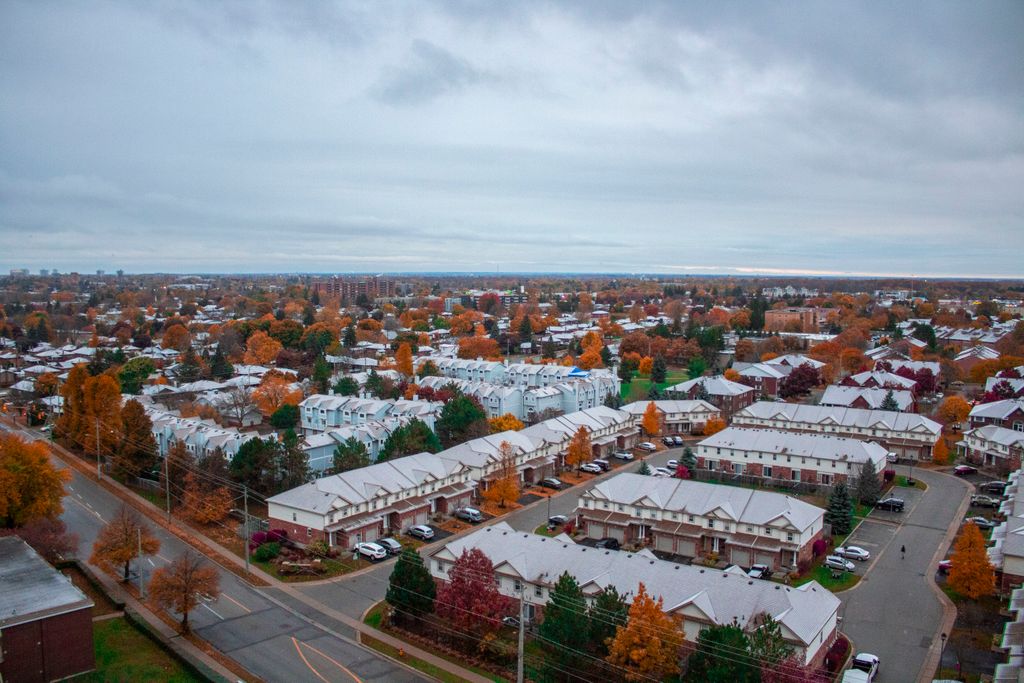
Edison is a large, diverse township, and buyers often encounter the informal labels “North Edison” and “South Edison” when talking to neighbors, searching online, or reading local real estate discussions. These are commonly used local references, not official municipal boundaries — but they can describe meaningful practical differences in housing styles, property types, lot sizes, transportation access, and the general feel of different parts of the township.
This guide breaks down what buyers actually need to compare when evaluating different parts of Edison, without treating one area as universally better or worse than the other. The right fit depends on your specific priorities, commute requirements, budget, and the individual property — not a general label.
First: What Do People Mean by “North Edison” and “South Edison”?
North Edison and South Edison are informal geographic labels, not legally defined districts or separate municipalities. They describe general areas within Edison Township, and different people may use the terms slightly differently.
North Edison typically refers to the northern portions of the township — areas closer to Route 27, South Brunswick, and Highland Park. South Edison generally refers to areas closer to the southern edges of the township, bordering Woodbridge, Metuchen, Perth Amboy, and the Route 1 and Turnpike corridors.
The practical implication for buyers: these labels can point you toward a general part of the township, but your evaluation should always be at the address level — specific property, specific street, specific tax bill, specific commute map. Two homes a half-mile apart within “South Edison” can differ significantly in housing type, condition, transit access, and total monthly cost.
Housing Styles and Property Types
North Edison tends to have a concentration of larger single-family homes — colonials, bi-levels, split-levels, and expanded ranches on lots that are, in many pockets, larger than those found closer to the Route 1 corridor. Construction eras vary across North Edison; some streets have primarily postwar homes from the 1950s and 1960s while others have seen more recent builds or significant renovation activity.
South Edison includes a varied mix of housing types — single-family ranches, Cape Cods, colonials, townhomes, condominiums, and in some areas, multi-family properties. The housing stock in parts of south Edison is somewhat older on average, and the variety of property types is broader. Buyers looking for a condo or townhome, or those researching multi-family investment properties, will often find more relevant inventory in the southern and central portions of the township.
Neither profile is better or worse — they serve different buyer priorities. A buyer who wants a larger lot and a traditional single-family home has different reasons to search North Edison than a buyer who wants lower-maintenance attached housing or a multi-family investment property might have to search further south or centrally.
For any specific home you’re considering, compare it against recent comparable sales in that specific pocket, not the general area.
Lot Size, Density, and Property Feel
Lot size and density vary not just between North and South Edison but within each area, sometimes block by block. Some North Edison streets have generous setbacks and substantial yard space; others have more modest lots that resemble what you’d find in denser parts of the township.
The same is true in South Edison — some streets in the southern and central parts of the township have larger lots than buyers expect, while areas near major commercial corridors are more densely developed.
What this means practically: do not assume lot size from a neighborhood label. When you’re comparing homes, look at the actual parcel dimensions on the property record, consider the relationship between the house footprint and usable yard space, and drive the street at different times to understand the actual density and feel before making a decision.
Train Access and Commute Considerations
This is one area where north-versus-south actually matters — though not in the way many buyers assume.
Edison Station (NJ Transit Northeast Corridor) is located in the central-to-south portion of the township. Buyers in parts of South Edison may have a shorter drive to Edison Station than buyers in North Edison. However, most Edison residents who commute by train drive to the station and use permit parking — walkability is rarely a factor for rail commuters in Edison.
Metropark, a major NJ Transit station with significant parking infrastructure and service on the Northeast Corridor, is in Iselin — technically part of Woodbridge Township, adjacent to Edison’s southern and eastern edges. Buyers in south and east Edison may find Metropark easier to access than Edison Station depending on their specific address.
Highway access depends entirely on where you’re going. The New Jersey Turnpike, Route 1, and Route 9 are more directly accessible from South Edison and parts of Central Edison. Route 27 and access toward New Brunswick and Somerset County are more natural from North Edison.
The right commute calculation is personal. Map your actual commute routes — including parking logistics — from any specific address you’re seriously considering. Don’t assume proximity from a general area label.
Property Taxes and Monthly Ownership Cost
Property taxes in Edison vary by individual property, assessed value, and any exemptions currently in place. There is no universal rule that North Edison properties carry higher or lower taxes than South Edison properties — within each area, taxes vary property to property.
What matters: the actual tax bill for the specific home you’re considering. Request the current property tax record before making an offer, and check whether any exemptions — senior citizen, veteran, disability — are applied that will not transfer to you as the new owner.
When you model affordability, include the full monthly ownership cost: principal, interest, property taxes, homeowner’s insurance, HOA fees (if applicable), and a realistic maintenance budget. Edison’s property taxes make the difference between purchase price and true monthly cost larger than in lower-tax markets, and buyers who plan only on the mortgage payment are frequently surprised after closing.
Schools and Attendance Zones
Edison Township Public Schools serve the entire township through multiple elementary schools, middle schools, and two high schools. School attendance zones are assigned at the address level — not by the labels “North Edison” or “South Edison.”
Zone assignments can change due to redistricting. Listing descriptions and neighborhood labels are not reliable sources for school zone information.
If school assignment is a factor in your search, verify current zone assignments directly with the Edison Township Board of Education using the specific address you are considering — before making an offer. This is a five-minute step that matters significantly if school zone is part of your decision.
Condos and Townhomes
Buyers looking for condominiums, townhomes, or planned communities will generally find more options in the central and southern parts of the township — though attached housing exists in various pockets across Edison.
If you’re considering an attached property, review the following before proceeding to contract:
- HOA fees and what they cover — monthly fees vary significantly and affect total monthly cost in ways that change the comparability to single-family alternatives
- Reserve fund status — underfunded reserves signal potential future special assessments
- Pending or recent special assessments — ask directly about any assessments levied or anticipated
- Rules and restrictions — pet policies, rental restrictions, modification limits, parking
- Insurance boundaries — understand exactly what the association’s master policy covers versus what you insure individually
- Financing warrantability — some condo communities have concentration limits that affect whether conventional (Fannie Mae/Freddie Mac) financing is available
Review resale disclosure documents with your real estate attorney before waiving any rights or proceeding to contract.
Older Home Due Diligence
A significant portion of Edison’s housing stock — across both north and south — was built between the 1940s and 1980s. Older homes can represent strong value, but they require thorough due diligence.
Before making an offer on any older Edison home, pay specific attention to:
- Roof age and condition — replacement is a significant cost; know the age and remaining useful life
- HVAC — age, service history, efficiency, and ductwork condition
- Electrical — 100-amp service, aluminum wiring (common in some 1960s-70s builds), outdated panels
- Plumbing — galvanized supply pipes, cast iron drains, and sewer laterals that may have root intrusion; a sewer scope is advisable for most Edison homes built before 1985
- Basement and drainage — water intrusion history, sump pump, grading, and signs of prior moisture
- Permits for additions — any addition, finished basement, garage conversion, deck, or shed should have permits and a certificate of occupancy; unpermitted work affects financing, insurability, and resale
- Oil tank history — some older properties had underground oil storage tanks; a sweep or Phase I inquiry may be warranted depending on the property history
- Lead paint and asbestos — standard considerations for pre-1978 and pre-1980 construction respectively
None of these issues automatically disqualifies a property. They affect price, negotiation strategy, and your decision to proceed — but only after you know what you’re dealing with.
Which Area May Better Fit Your Priorities?
Rather than making a blanket recommendation, here is how different buyer priorities tend to map to different parts of the township:
If you prioritize a larger single-family lot — North Edison tends to have more inventory in this category, though large-lot properties exist in other parts of the township. Compare individual parcels rather than assuming.
If train access is important — South and central Edison are generally closer to Edison Station and Metropark. Map the actual commute from specific addresses rather than using a general area assumption.
If you want lower-maintenance attached housing — Condos and townhomes are more concentrated in south and central Edison. Review HOA fees and documents carefully.
If renovation potential at a given price point is appealing — Older housing stock in various parts of Edison can offer more square footage or lot size at entry price points, but comes with the due-diligence considerations described above.
If proximity to Route 1 commercial corridors matters — South and central Edison have more direct access to the Route 1 corridor and its shopping, dining, and services.
If access toward Route 27 and northwestern Middlesex County matters — North Edison positioning is more practical for commutes toward South Brunswick, New Brunswick, and Route 27.
In every case, the specific property matters more than the general area. Two homes 0.3 miles apart can have different tax bills, school zone assignments, lot characteristics, and commute profiles.
North Edison vs South Edison: A Practical Comparison
| Factor | North Edison (general patterns) | South Edison (general patterns) |
| Housing stock | Colonials, split-levels, ranches, larger single-family | Ranches, capes, colonials, condos, townhomes, mixed types |
| Lot size | Tends toward larger in many pockets; varies by street | Varies; some larger lots, denser in areas near major corridors |
| Transit access | Drive to Edison Station or Metropark | Shorter drive to Edison Station; Metropark accessible for some |
| Highway access | Route 27, access toward NB and Somerset County | Route 1, NJ Turnpike, Route 9 more directly accessible |
| Attached housing | Less common; primarily single-family | More condos and townhomes available |
| Property age | Wide range — 1950s through recent construction | Wide range; older stock common in some pockets |
| Taxes | Varies by property — review actual tax record | Varies by property — review actual tax record |
| Buyer due diligence | Inspect mechanicals, permits, and conditions per property | Inspect mechanicals, sewer, flood zone, and permits per property |
All values are general patterns based on housing stock observations. Individual properties vary. Verify taxes, school zones, and property details at the address level before making any purchase decision.
How I Help Buyers Compare Edison Areas
Choosing between parts of Edison — or deciding whether Edison is the right fit at all — is an analysis exercise. Here is how I work with buyers who are in the comparison stage:
Comparable-sales review by area and property type — I pull recent closed sales for the specific housing type and size you’re considering in different parts of the township, so you can see what properties have actually traded for — not what they’ve been listed at.
Property-level tax review — For every property you’re seriously considering, I pull the actual tax bill and build it into a full monthly cost estimate. This removes one of the most common affordability surprises buyers encounter.
Commute and access mapping — Based on your actual destination and commute pattern, I help identify which parts of the township serve your transportation needs without over-relying on general proximity claims.
Condition and inspection analysis — I attend every home inspection and help contextualize findings against what is typical for the property’s age and type in a given area, so you can evaluate what matters versus what is routine.
Structured decision support — I build side-by-side comparisons of candidate properties — monthly cost, commute trade-offs, condition delta, price per square foot — so your choice is between clearly understood options, not competing gut feelings.
Ready to start comparing? Book a local buyer consultation or explore the full Edison neighborhood guide for more context before your search.
Frequently Asked Questions
Is North Edison officially different from South Edison?
No. North Edison and South Edison are informal local labels, not legally defined boundaries or separate municipalities. Both are part of Edison Township. The labels are commonly used to describe general areas of the township but do not correspond to precise geographic, tax, or school-district distinctions. All address-specific details — taxes, school assignments, zoning — should be verified using official records and direct contact with the relevant agencies.
Which part of Edison is closer to train stations?
Edison Station on the NJ Transit Northeast Corridor is in the central-to-south part of the township, making it generally closer to South Edison and central Edison addresses. Metropark, in Iselin (Woodbridge Township), is accessible from the south and east portions of Edison. Most commuters drive and use permit parking at either station — actual travel time depends on your specific address and departure time, not just the general area.
Are taxes higher in North Edison or South Edison?
There is no universal rule. Property taxes in Edison are assessed at the individual property level. Higher-priced properties in any part of the township generally carry higher tax bills, but two comparable-sized homes in different parts of Edison can have very different tax obligations based on assessment history, recent sales activity, and current exemptions. Always review the actual property tax record — not estimates or area averages — for any home you’re seriously considering.
Which area has more condos or townhomes?
Condominiums and townhome communities tend to be more concentrated in south and central Edison, though attached housing exists in various parts of the township. Buyers specifically looking for condos or townhomes will typically find more relevant inventory when searching south and central areas, but should review HOA documents, fees, and financials carefully for any specific community before proceeding.
How should buyers compare school assignments?
School zone assignments in Edison are address-specific and are made by Edison Township Public Schools based on your exact property address. They are not determined by neighborhood labels or general area descriptions. Verify the current elementary, middle, and high school zone assignments for any specific address you’re considering directly with the Edison Township Board of Education before making an offer — not based on what a listing says or what a neighbor tells you.
Are older homes common in Edison?
Yes. A substantial portion of Edison’s housing stock — in both north and south — was built between the 1940s and 1980s. Older homes can offer good value but require thorough inspection: roofing, HVAC, electrical, plumbing, sewer laterals, drainage, and permit history for any additions. A sewer scope is advisable for most homes built before 1985. For older Edison homes, the inspection and permit-history review are as important as the price negotiation.
How do I decide which part of Edison is right for me?
Start with your non-negotiables: housing type, commute requirements, monthly budget (including taxes and HOA fees where applicable), renovation tolerance, and whether school assignment is a meaningful factor. From there, you can focus your search on the parts of the township where the available inventory actually matches your priorities. I work through this framework with buyers in a single structured consultation — it typically narrows the search significantly before you’ve toured a single home.
Not Sure Which Part of Edison Fits Your Goals? Let’s Compare Your Options.
Whether you’re between North and South Edison or still figuring out whether Edison makes sense at all, a conversation about your specific priorities — budget, commute, housing type, monthly cost — takes less time than most buyers expect and prevents a lot of wasted showings.
Book a free buyer consultation to get a structured comparison of areas and property types matched to your goals. No pressure, no obligation.
Also explore: